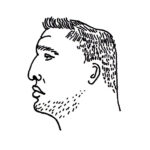
St Augustine’s
marked cards and letters filled the top drawer of the old writing desk — two long years of them, correspondence and poems and notes of love and want, all folded away in the quiet dark.
he remembered the gate to her front door, the narrow path through the garden where lavender and rosemary and basil grew thick and sweet, the scent immaculate — just as the faint trace of perfume still clung to those letters in the drawer. Chanel No. 5, Madame Rochas, Style: little ghosts of her that had travelled all that way to find him.
now he lay in poor health at St Augustine’s, the ward peaceful and serene around him, the sheets cool, the light soft on the walls.
but his memories had become shadows moving across the ceiling, and he stared up at them, watching the broken shapes and blurred outlines, the light already thinning. in the hallucinations that drifted in and out like smoke, he was back in the barracks again, hearing the boots on the parade ground, the barked commands, the long lines of men stepping out in the early light, dust rising from their heels.
she was always there too, standing just beyond the wire or waiting at the far end of the drill square, beautiful in a way that made everything else — the orders, the loneliness, the endless grey days — fall away for a moment.
she had been the only thing that mattered in all those years, the one whose words kept his heart from going hollow, the quiet promise that somewhere beyond the marching and the metal bunks there was still a garden gate and a woman who had written him love when no one else would. even now, as the shapes blurred and the light thinned, it was her face that kept returning, soft and clear, the last clear thing his mind could hold.
his passing was imminent.
the last clear image—
her face at the garden gate,
then the gentle dark.