Skip to content
Menu
Home
About
Writing
Jack Brewis
Martin Ricardo-Jones
Artworks
Photography
Copyright
Archives
December 2025
November 2025
September 2025
June 2025
May 2025
August 2024
July 2024
April 2024
February 2024
January 2024
December 2023
October 2023
August 2023
February 2023
June 2022
March 2022
December 2021
November 2021
August 2021
July 2021
March 2021
February 2021
October 2020
September 2020
July 2020
April 2020
January 2020
December 2019
September 2019
April 2019
February 2019
August 2018
July 2018
April 2018
January 2018
July 2017
March 2017
February 2017
November 2016
October 2016
June 2016
February 2016
January 2016
December 2015
November 2015
October 2015
July 2015
May 2015
March 2015
February 2015
April 2014
December 2013
September 2013
March 2013
February 2013
December 2012
February 2012
January 2012
October 2011
May 2011
April 2011
March 2011
February 2011
December 2010
October 2010
June 2010
April 2010
February 2010
January 2010
December 2009
November 2009
June 2009
March 2009
December 2008
November 2008
September 2008
August 2008
May 2008
May 2007
September 2006
August 2006
November 2005
August 2005
April 2005
February 2005
January 2005
September 2004
October 2003
July 2003
April 2003
January 2003
September 2002
August 2002
July 2002
May 2002
January 2002
Calendar
October 2026
M
T
W
T
F
S
S
1
2
3
4
5
6
7
8
9
10
11
12
13
14
15
16
17
18
19
20
21
22
23
24
25
26
27
28
29
30
31
« Dec
Categories
Jack Brewis
Photography
Uncategorized
Writing
Copyright Seeing it First Hand 2026 | Theme by
ThemeinProgress
Quick Reads
The Copper Grill
The Tiger
Lemon and Poppyseed
The Steaming Beast
The Orchid
Sunday, October 18 2026
Menu
Home
About
Writing
Jack Brewis
Martin Ricardo-Jones
Seeing it First Hand
Writing and Photography
Menu
Artworks
Photography
Copyright
May 18, 2008
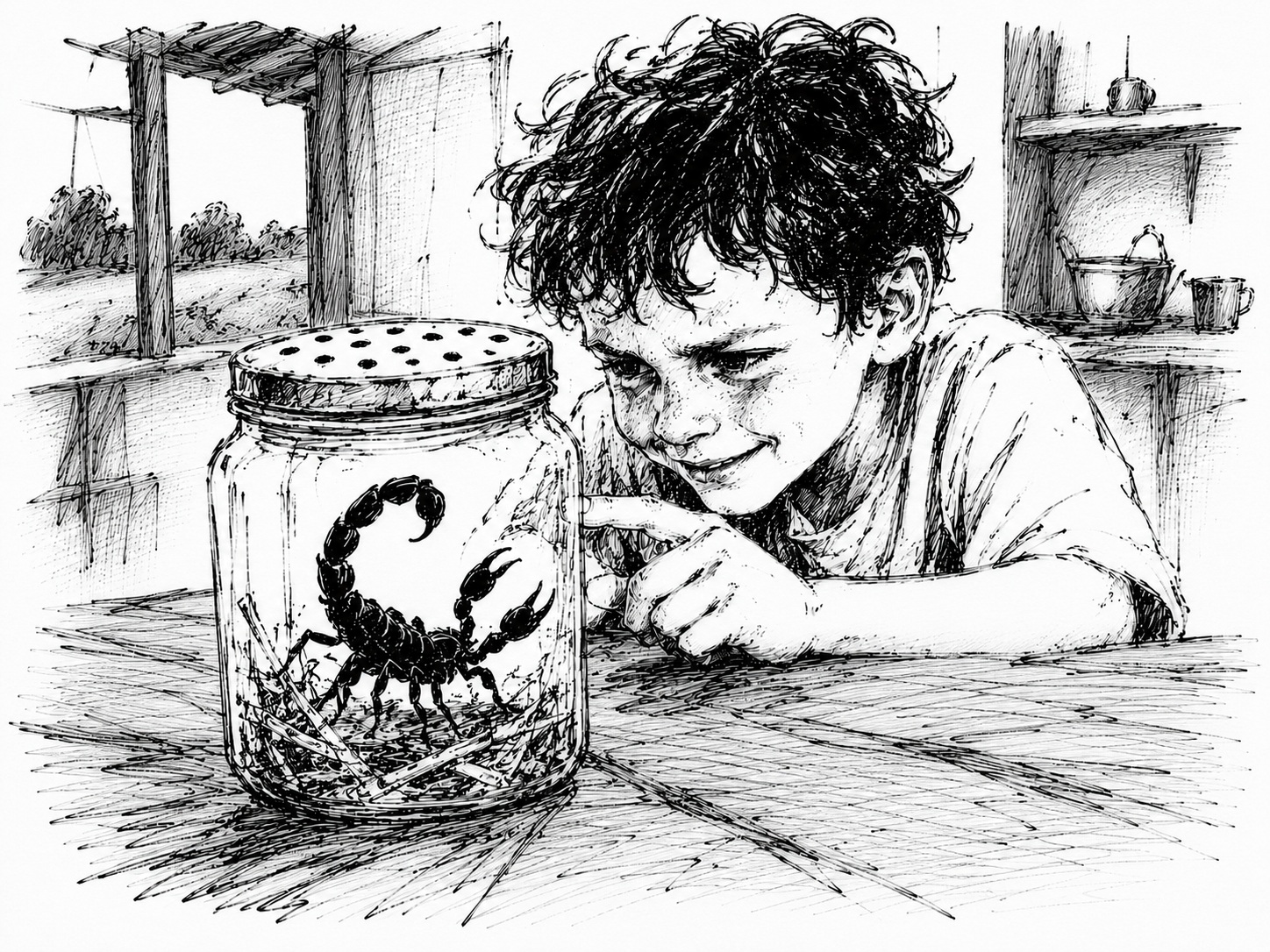
The Honey Jar
Jack Brewis
.
Writing
Article
You may also like
Your Last Orbit
Cambridge Old Boys
The Trader’s Bell